_edited_edited.jpg)
The History of the Electric Car: From 19th-Century Experiments to Today’s Revolution
- Aug 16, 2025
- 5 min read
Electric vehicles (EVs) aren’t just a modern marvel—they’re the product of nearly two hundred years of dreams, innovations, setbacks, and renaissance. If you’ve seen a Tesla humming down the Toll Road in Ashburn or a Rivian parked in a Leesburg driveway, you’re witnessing the cutting edge of a story that started long before the first highways were paved. Let’s dive into the surprising and impactful history of the electric car—and discover why Northern Virginia is primed to lead the way in the next chapter.
Seeds of Innovation: The 1800s and the Dawn of Electric Dreams
Long before gas engines filled our towns with the scent of fuel, pioneers were exploring how electricity could transform transportation.
Early Experiments and Breakthroughs
At the heart of electric vehicle history is a series of fascinating (and sometimes eccentric) inventors:
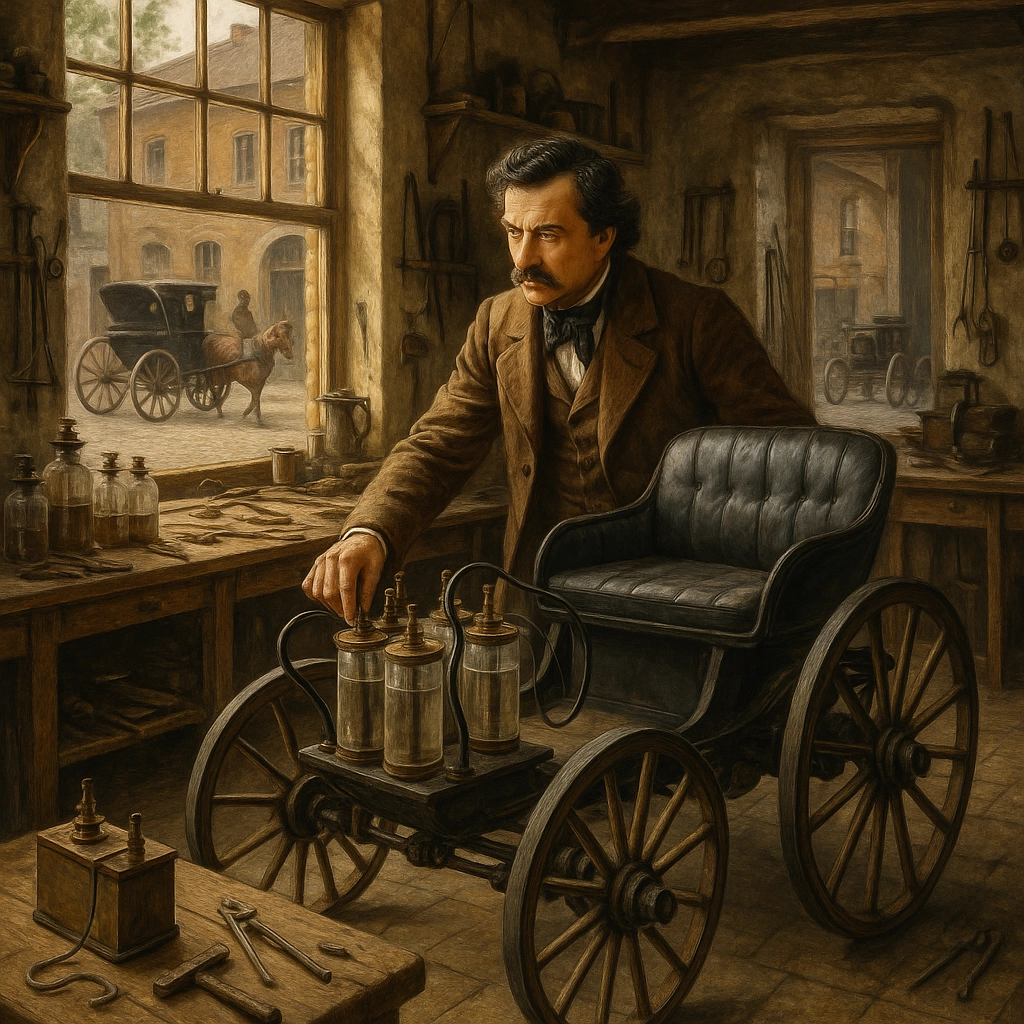
1828: Ányos Jedlik in Hungary builds a tiny model car powered by a rudimentary electric motor.
1830s: Robert Anderson of Scotland creates a clunky but visionary electric carriage using non-rechargeable batteries.
1835: Thomas Davenport, an American blacksmith, crafts a small, battery-powered locomotive—an early ancestor of today’s electric trains.
As the century rolled on, rechargeable batteries started to take hold. In 1859, Gaston Planté invents the lead-acid battery, critical tech that would power everything from carriages to early automobiles. By the late 1880s, inventors like Gustave Trouvé in France and William Morrison in the U.S. bring practical, street-ready electric vehicles into reality.
The Electric Golden Age: 1880–1914
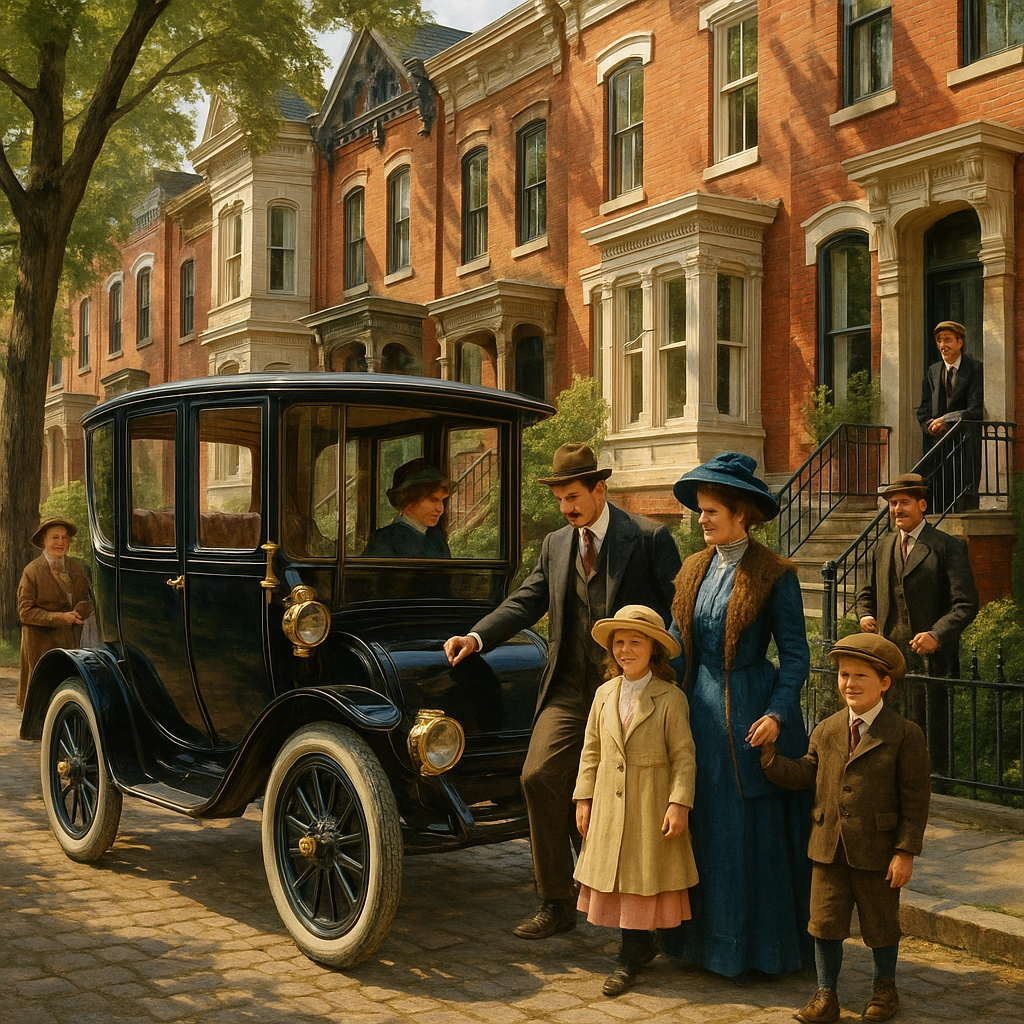
As cities boomed and roads multiplied, electric cars became the darling of urban transportation—especially in America and Europe.
Why Did Electric Cars Take Off?
Easy & Reliable: No hand-cranking, no gear shifting, no clouds of smoke.
Luxury Appeal: The Baker Electric and Detroit Electric weren’t just practical—they were considered status symbols. Thomas Edison and even Clara Ford (wife of Henry Ford) preferred electrics for their quiet operation.
Urban Perfection: With limited range needs, cities like Washington D.C., New York, and even early suburban developments around what is now Northern Virginia, found electric cars ideal for short trips.
By 1900, almost one-third of all vehicles on American roads were electric. Companies like Columbia, Detroit Electric, and Milburn flourished, building stylish cars ready for families and businesspeople.
Losing Charge: Gasoline Rises and Electric Fades (1914–1970)
Despite early momentum, several turning points shifted the tide in favor of combustion engines:
Mass Production: Henry Ford’s assembly lines made gasoline cars affordable for the masses, slashing prices and boosting popularity.
Better Infrastructure: Vast networks of gas stations popped up, making road trips a breeze.
Technical Hurdles: Early batteries provided limited range, struggled in cold weather, and were costly to replace.
The nail in the coffin? Charles Kettering’s electric starter (1912), which erased the biggest headache of gasoline cars: the hand crank.
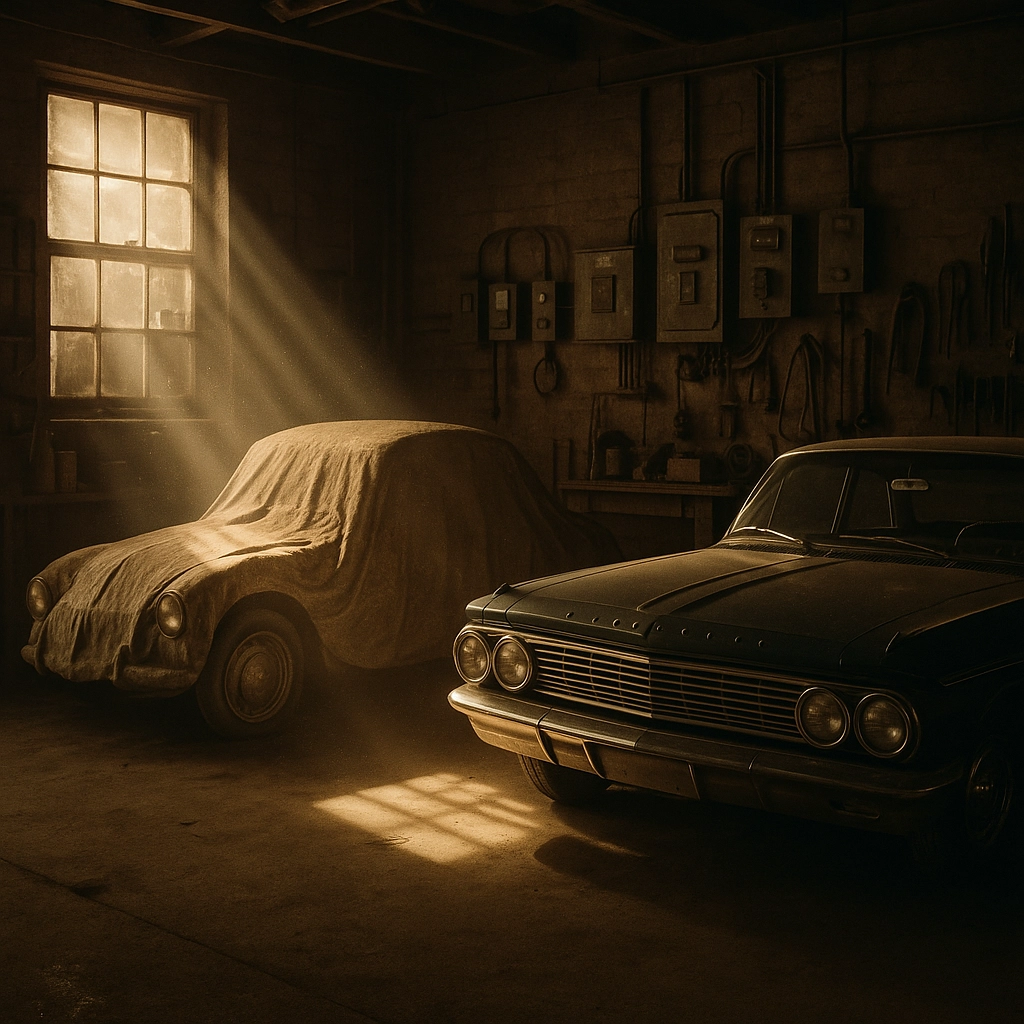
From the 1920s through the 1970s, electric vehicles faded into niche factory equipment and short-range delivery vehicles. The world’s attention swung to gas, horsepower, and classic American road trips.
A Flicker Returns: The Environment & Oil Crisis Spark Change (1970–2003)
It took an oil crisis—and a growing awareness of urban smog—to get people thinking electric again.
Experiments and Missed Opportunities
1973 Oil Crisis: Suddenly, everyone was aware of how reliant we were on gasoline. Automakers dusted off old electric ideas and built small, experimental models.
California Dreams: In the 1990s, California’s Zero Emission Vehicle mandate nudged GM, Ford, and Toyota to offer limited EVs. GM’s EV1 was beloved by its users, only to be controversially recalled and crushed (a saga chronicled in "Who Killed the Electric Car?").
But these were still early days. Batteries couldn’t keep up with drivers’ needs, and charging stations were few and far between.
Revolution Ignited: The Modern EV Era (2003–2020)
Everything changed in the 21st century—new pioneers, better batteries, and Silicon Valley determination recharged the EV market.
Key Moments:
The World’s First Hybrid Mass Hit
Toyota Prius (1997 in Japan, 2000 in the U.S.): The hybrid technology behind the Prius—supported by U.S. lab research—became an icon for eco-friendly driving. Soon, they were a common sight in Fairfax and Reston, especially among commuters seeking gas savings and HOV lane access.
Tesla’s Disruption
Tesla Motors (founded 2003): Born from the vision that electric cars should be fun, fast, and go the distance. The original Tesla Roadster (2008) silenced doubters, traveling over 200 miles per charge. Tesla’s Supercharger network soon made cross-country electric road trips a reality.
Follow the Leaders: Nissan (Leaf), Chevy (Volt, Bolt), Ford (Mustang Mach-E, F-150 Lightning), VW, and many more jumped on board.
Local Impact in Northern Virginia
Northern Virginia became a national hotspot for EV adoption. Early incentives, HOV lane perks, and a tech-forward population in Loudoun, Fairfax, and Prince William counties pushed EV registration rates far above state averages. Local government fleets in Reston, Chantilly, and Gainesville added EVs, with neighborhood HOAs encouraging charger-ready garages.
The Tipping Point & Northern Virginia’s EV Surge (2021–Present)
Today, the electric car is no longer a novelty—it’s a revolution in progress, with the service area near you at the heart of it.
What’s Driving Today’s Boom?
Better Batteries: Modern lithium-ion and emerging solid-state tech mean many EVs now exceed 300-400 miles range per charge.
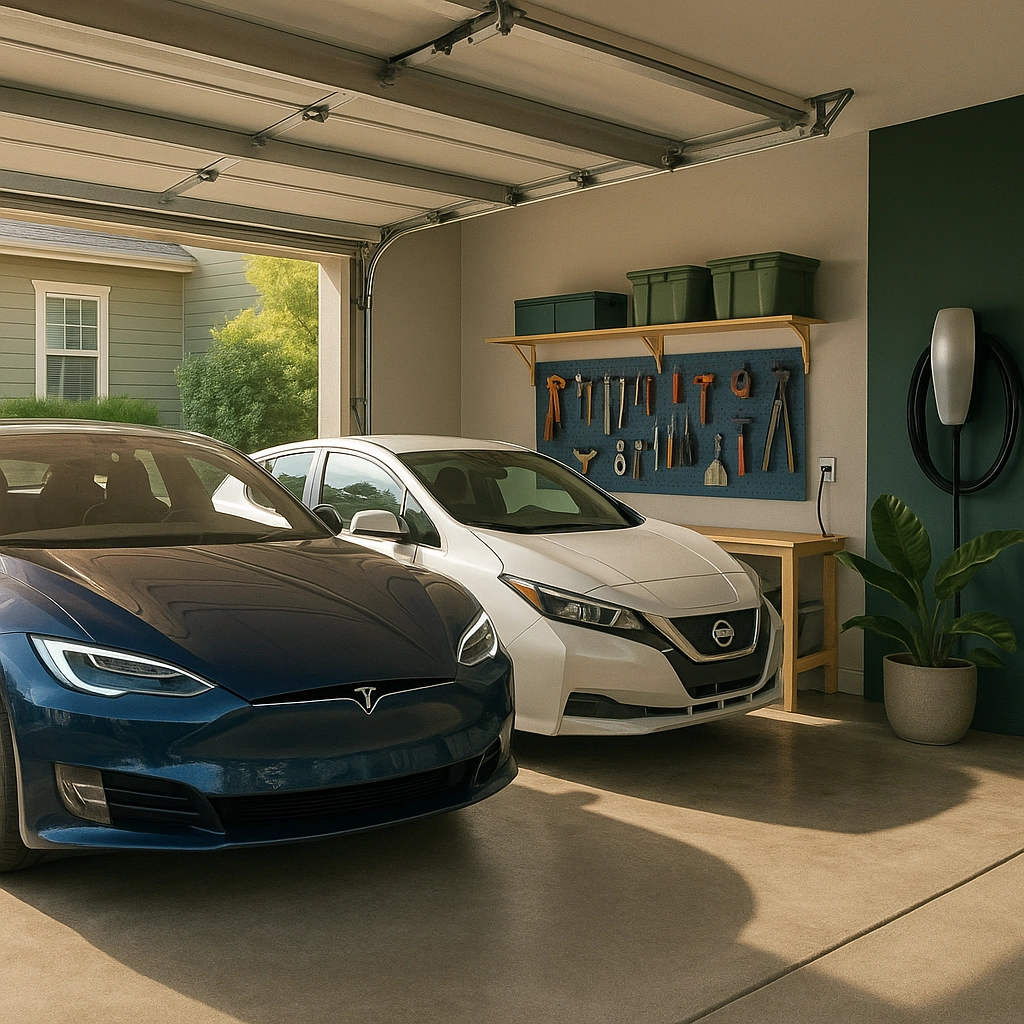
Affordable Choices: From the Nissan Leaf to the Rivian R1T and the all-electric Ford F-150 Lightning, there’s an EV for every lifestyle—suburban, rural, or city.
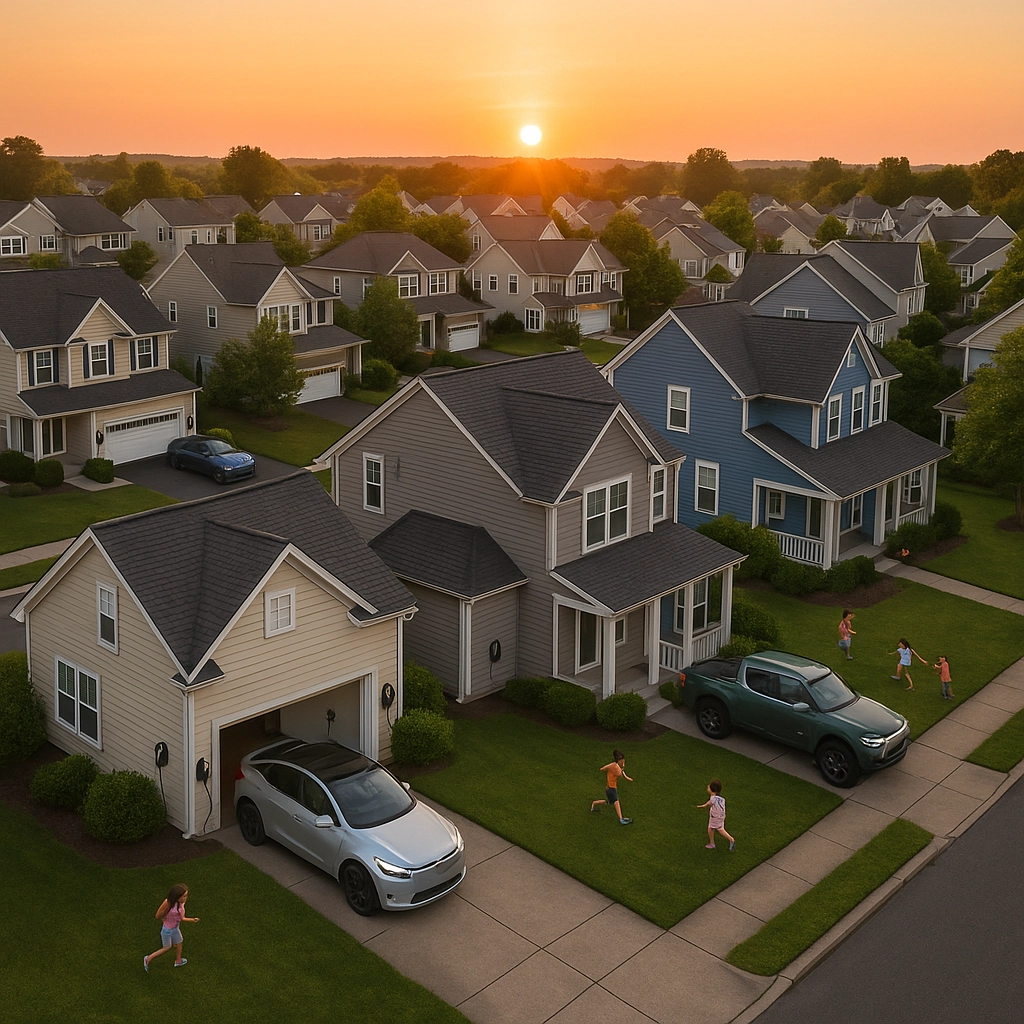
Home Charging Becomes the Norm: With professional installation, charging at home in Aldie, Stone Ridge, or South Riding is safer, faster, and more convenient than ever.
Local Trends and Case Studies
Neighborhood Example – Ashburn Village: Over two dozen homes in a single Ashburn cul-de-sac have installed home chargers in the past year alone, as families upgrade to EVs.
County Incentives: Fairfax and Loudoun counties actively promote home charging and offer fast permitting for EV charger installs.
“Near Me” Popularity: Search trends for “EV charger installation near me” have spiked—local families want to future-proof their homes and add value with modern charging setups.
What Comes Next? The EV Future
We’re on the cusp of even more dramatic changes:
Solid-State Batteries will offer quicker charging and even more range.
Vehicle-to-Home (V2H) and Vehicle-to-Grid: Future EVs may power your home during outages—see our V2H vs. Generator guide for specifics.
State Targets & Infrastructure: Virginia’s plans call for rapid EV infrastructure growth, supporting suburban and rural expansion.
How Northern Virginia Homeowners Can Join the EV Revolution
Whether you’re ready to switch to electric with your next car or want to prepare for future needs, it’s never been easier to add a safe, code-compliant charging station at home. At Auto Charge Pros, we make the process straightforward—no mess, no missed steps, and transparent pricing from the first call.
Why Go with Professional EV Charger Installation?
Local Know-How: We know the ins and outs of Leesburg colonials, South Riding new builds, and classic Reston homes. Every install is tailored for your unique setup and panel.
All-Inclusive Service: No unfinished drywall, no need to hire extra contractors, and permitting handled for you.
One-Stop Shop: From panel upgrades to charger selection, installation, and finish work—all with a one-year warranty.
Transparent Pricing: Our estimates are upfront and flat-rate. No surprises, no stress.
Have questions? Check out our FAQs and latest articles for more EV tips.
Ready to Plug Into the Future?
Whether you’re in Ashburn, Gainesville, Brambleton, or anywhere in Northern Virginia, our team is here to help you join the electric revolution—and keep your home safe, modern, and ready for what’s next.
Contact us for a free estimate and let’s make your charging setup truly future-proof.
Curious about the best charger for your new EV? Explore our store or check our service area to see how we’re helping your neighbors go electric, one home at a time.
