
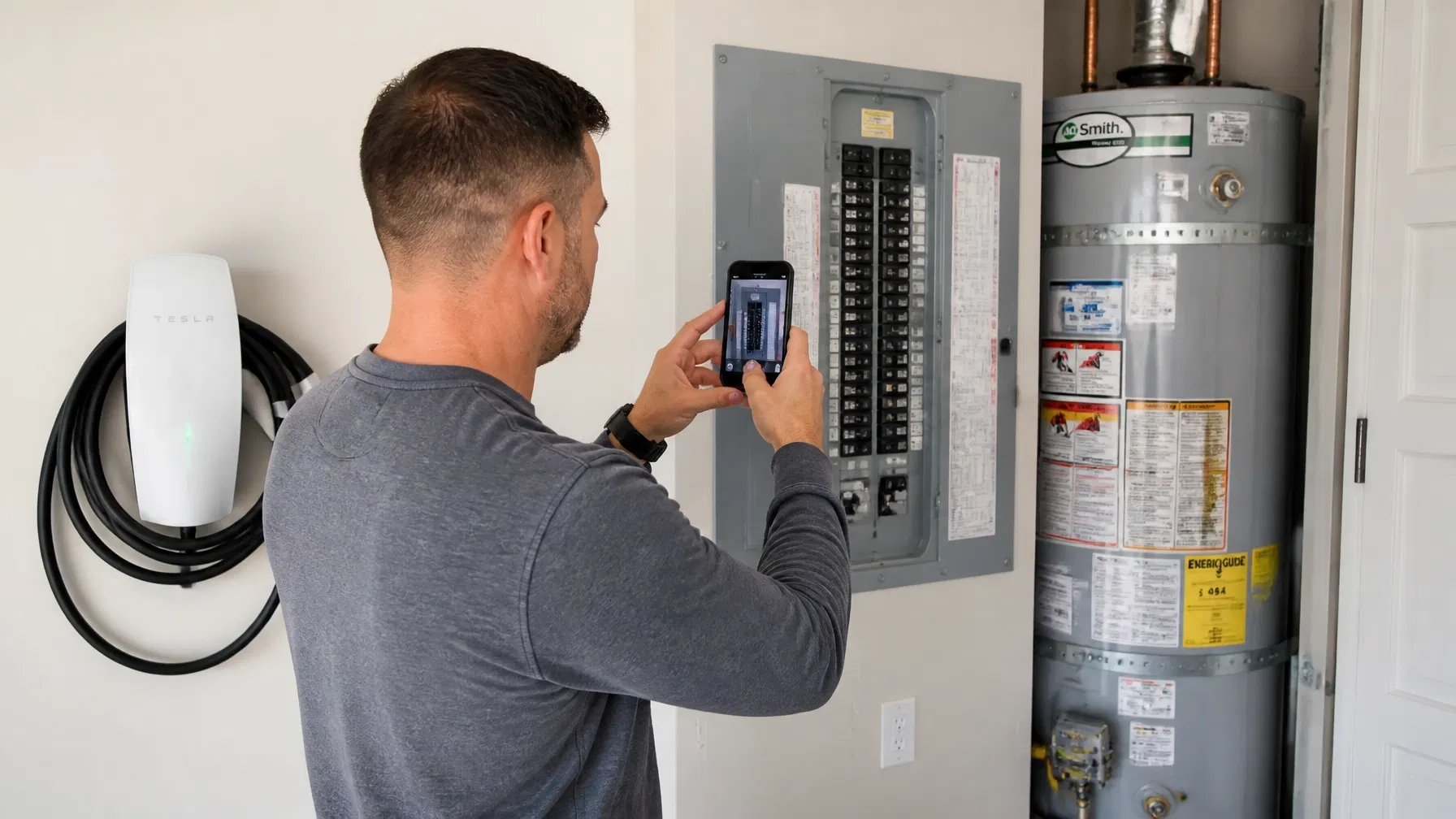
Installing a Level 2 home EV charging station is more than mounting a charger and connecting a cable. Your electrician must confirm that your home’s electrical service can safely support the additional load.
That review is called a load calculation. It helps prevent overloaded panels, nuisance breaker trips, undersized conductors, and service upgrades that may not be necessary.
Before your appointment, you can make the process faster by locating the wattage stickers and electrical nameplates on your home’s major appliances. This checklist explains what to find, where to look, and how the information supports a safe EV charger installation in Northern Virginia.
What Is an EV Charger Load Calculation?
A load calculation estimates how much electricity your home may use when major equipment operates at the same time. The electrician compares that calculated demand with your service rating, such as 100 amps, 150 amps, 200 amps, or 400 amps.
EV charging is treated as a continuous load because a vehicle may charge at a steady output for three hours or longer. For circuit sizing, the charger’s maximum current is generally multiplied by 125%.
For example:
- A 32-amp EV charger typically requires a circuit sized for at least 40 amps.
- A 40-amp charger typically requires a 50-amp circuit.
- A 48-amp charger typically requires a 60-amp circuit.
The service load calculation also accounts for the charger’s electrical demand. Under current National Electrical Code provisions, EV charging equipment is generally included at 100% of its nameplate rating, subject to applicable code requirements and the edition adopted by the local authority having jurisdiction.
The result is not simply a larger breaker. The electrician must evaluate the complete system, including the service conductors, panel, feeder, branch circuit, wiring method, and equipment ratings.
Appliance Wattage Sticker Checklist
You do not need to perform the electrical calculation yourself. Your job is to gather accurate information that helps your licensed electrician understand the home’s existing loads.
Use the checklist below.
HVAC System
Where to look:
- Outdoor air-conditioning or heat-pump condenser
- Indoor air handler
- Furnace cabinet
- Heat-pump nameplate
- Electrical disconnect near the outdoor unit
Record:
- Voltage
- Minimum circuit ampacity
- Maximum overcurrent protection
- Rated load amps
- Supplemental electric heat or heat-strip rating
Electric heat strips can add a significant load compared with a gas furnace. In Ashburn, Leesburg, Fairfax, and surrounding communities, HVAC equipment is often one of the most important items in the calculation.
Electric Water Heater
Where to look:
- Side of the tank
- Upper or lower access panel
- Manufacturer label near the thermostat controls
Record:
- Total wattage
- Voltage
- Circuit ampacity
- Number of heating elements, if shown
A standard electric tank water heater may list a total rating such as 4,500 or 5,500 watts. Tankless water heaters can have substantially higher electrical requirements and should be documented carefully.
Range, Cooktop, and Oven
Where to look:
- Inside the oven door frame
- Behind the lower storage drawer
- On the side or rear of the appliance
- On the cooktop’s underside or cabinet documentation
Record:
- Kilowatts or watts
- Voltage
- Required circuit rating
Gas ranges usually have a lower electrical load because the burners and oven heating elements use gas. However, the appliance may still have electrical requirements for controls, ignition, lights, and convection fans.
Electric Dryer
Where to look:
- Inside the dryer door opening
- On the rear panel
- Behind the access panel
- In the owner’s manual
Record:
- Voltage
- Rated wattage or amperage
- Required circuit size
An electric dryer is commonly connected to a 240-volt circuit. A gas dryer generally has a much smaller electrical load, but it still uses power for the motor, controls, drum light, and ignition system.
Dishwasher and Garbage Disposal
Where to look:
- Dishwasher rating plate along the door edge or inside the door
- Disposal label on the motor housing beneath the sink
- Installation manual or product specifications
Record:
- Voltage
- Amps or watts
- Whether the appliances share a circuit
These appliances may be smaller than HVAC equipment or a dryer, but accurate information still helps create a complete calculation.
Hot Tub or Spa
Where to look:
- Spa equipment compartment
- GFCI disconnect enclosure
- Heater or pump nameplate
- Manufacturer’s installation label
Record:
- Total amperage
- Voltage
- Required breaker size
- Heater and pump ratings
Hot tubs often combine pumps, heaters, blowers, and controls. Do not rely on the size of the breaker alone. Photograph the equipment nameplate and disconnect information for the electrician.
Pool Equipment
Where to look:
- Pool pump motor
- Heater
- Automation panel
- Outdoor disconnect
- Salt chlorine generator
Record:
- Motor horsepower
- Voltage
- Full-load amps
- Heater fuel type and electrical rating
A gas pool heater may draw less electricity than an electric heater, while the circulation pump still contributes to the home’s load.
Well Pump
Where to look:
- Well pump control box
- Pressure tank area
- Pump motor label
- Disconnect or nearby electrical enclosure
Record:
- Voltage
- Horsepower
- Amperage
- Circuit rating
Well pumps are especially important for homes in portions of Loudoun, Prince William, Fauquier, and rural areas near Haymarket, Gainesville, and Warrenton.
Workshop Equipment
Check equipment in your garage, basement, or detached workshop.
Look for nameplates on:
- Air compressors
- Welders
- Table saws
- Dust collectors
- Large battery chargers
- Electric heaters
- Lathes or other motor-driven tools
Motors can have different starting and running characteristics. Give your electrician the nameplate information and explain which equipment is used regularly.
Solar and Battery Equipment
Where to look:
- Solar inverter
- Battery storage system
- Backup gateway
- Main disconnect
- Equipment placards near the electrical panel
Record:
- Inverter output
- Battery system rating
- Backup load configuration
- Interconnection information
Solar panels do not automatically eliminate the need for a load calculation. The electrician must understand how generation, storage, backup loads, and the EV charger interact.
How to Read an Appliance Nameplate
Electrical labels may show watts, amps, volts, kilowatts, or a combination of values.
Use these basic relationships:
- Volts × Amps = Watts
- Watts ÷ Volts = Amps
- Kilowatts × 1,000 = Watts
For example, a 9.6-kilowatt charger operating at 240 volts draws approximately 40 amps:
9,600 watts ÷ 240 volts = 40 amps
The electrician will apply the appropriate code requirements when sizing the circuit and evaluating the service. Do not choose a larger breaker simply because an appliance appears to need more capacity. Breaker size, conductor size, equipment ratings, and the calculated load must work together.
How to Photograph the Labels
Use your phone to take clear, well-lit photos.
- Clean dust from the label if necessary.
- Photograph the entire nameplate, not only one number.
- Take a second close-up image if the text is small.
- Photograph the breaker or disconnect associated with the equipment.
- Note the appliance location, such as “basement water heater” or “garage subpanel.”
- Do not remove covers or open energized equipment to find a label.
Send the photos to your electrician before the site visit when requested. This can reduce surprises and make the estimate more accurate.
What Your Electrician Does With the Numbers
During a residential EV charging station installation, the electrician reviews the information and performs several checks.
Standard Load Calculation
The calculation considers general lighting, small-appliance circuits, fixed appliances, HVAC equipment, electric heat, and the proposed EV charger. Some residential loads receive code-allowed demand adjustments, while EV charging is treated as a continuous demand.
Service Rating Check
The electrician compares the calculated load with the service rating:
- 100-amp service
- 150-amp service
- 200-amp service
- 400-amp service
A 200-amp main breaker does not guarantee that a 48-amp Level 2 charger can be added without review. Conversely, a busy-looking panel does not automatically mean an upgrade is required.
Physical Installation Review
The electrician also checks:
- Available breaker spaces
- Panel manufacturer and compatibility
- Service and feeder condition
- Conduit routing
- Distance to the garage or driveway
- Voltage drop
- Indoor or outdoor mounting requirements
- Permit and inspection requirements in the applicable county
Auto Charge Pros manages the permit and inspection process for qualifying projects in communities such as Sterling, South Riding, Chantilly, Centreville, Fairfax, and surrounding Northern Virginia areas.
Common Load Calculation Outcomes
1. Straightforward Installation
Many homes have sufficient capacity for a hardwired charger or properly specified NEMA 14-50 outlet. The electrician installs the dedicated circuit, completes testing, and coordinates the required inspection.
2. Lower Charging Output
The charger may be configured for a lower current that better matches the home’s available capacity. This can still provide reliable overnight charging for most commuters.
3. Load Management System
A load management or energy management system can reduce or pause EV charging when other major equipment is operating. This may avoid an unnecessary service upgrade while maintaining practical Level 2 charging.
4. Subpanel
A subpanel may improve circuit organization or provide a better installation point. However, a subpanel does not create additional service capacity by itself. The feeder supplying it must also support the calculated load.
5. Service Upgrade
A service upgrade may be appropriate when the calculated demand exceeds the existing service or when the equipment is outdated, damaged, or unsuitable for expansion. It should be recommended based on documented electrical requirements, not as an automatic upsell.
Installation cost and duration depend on the project. A straightforward charger installation may take several hours, while long wire runs, trenching, panel work, drywall access, or service changes require more time. In Northern Virginia, project pricing can range from approximately $800 to $2,500 or more depending on these conditions. Your electrician should explain what is included, including permits, inspection coordination, cleanup, and any drywall repair.
Breaker Space Versus Electrical Capacity
These are two different problems.
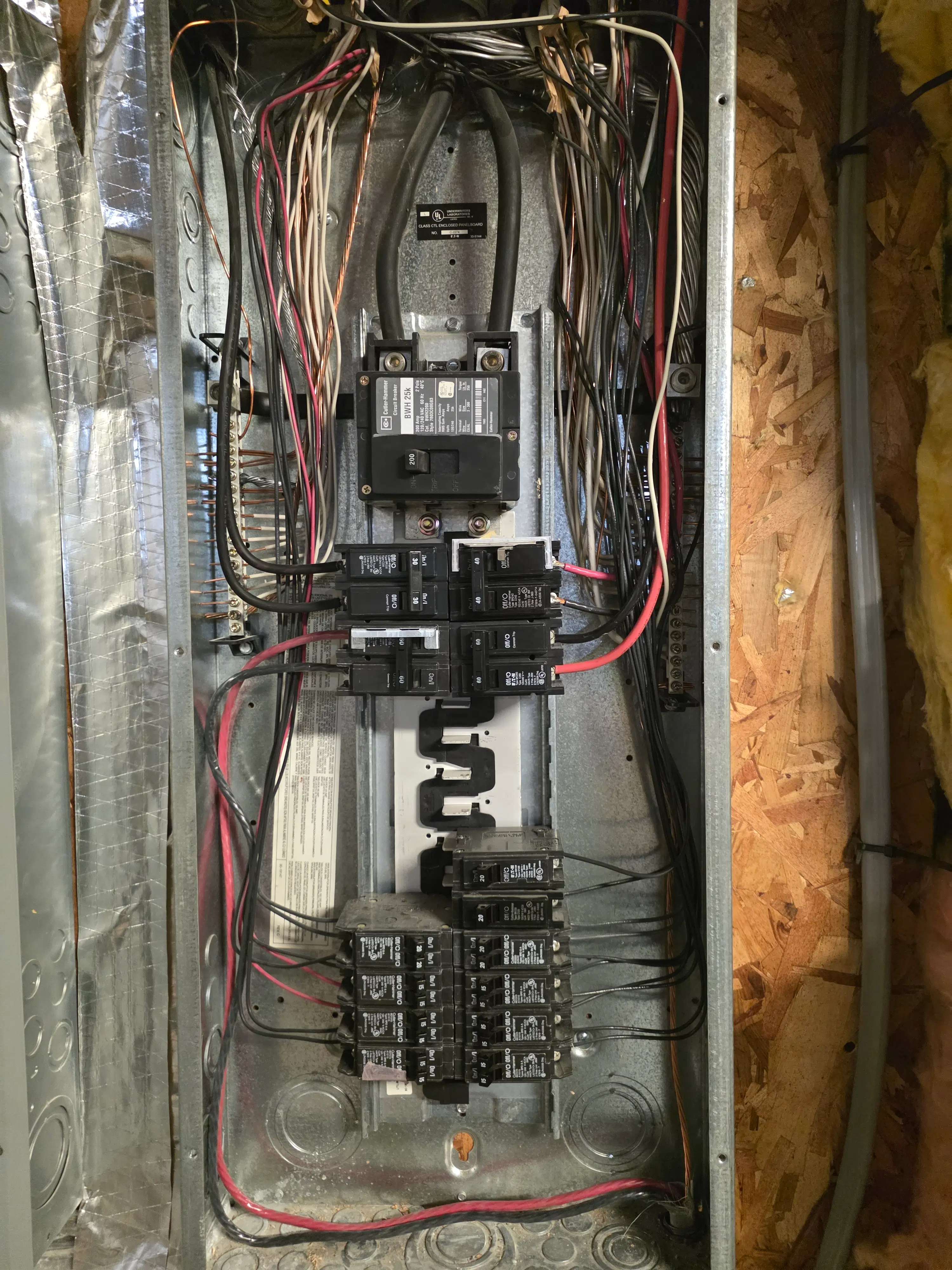
Breaker space means there is room in the panel for the required two-pole breaker. A full panel may need a compatible solution, such as a properly rated replacement panel or approved equipment.
Electrical capacity means the service can safely support the additional load. An open breaker space does not prove that the service has enough capacity.
A professional residential EV charging station installation addresses both questions before work begins.
Pro Tips for Future Planning
Tell your electrician if you expect to add:
- A second EV
- An electric heat pump
- An induction range
- An electric water heater
- A home battery
- A workshop
- A pool or hot tub
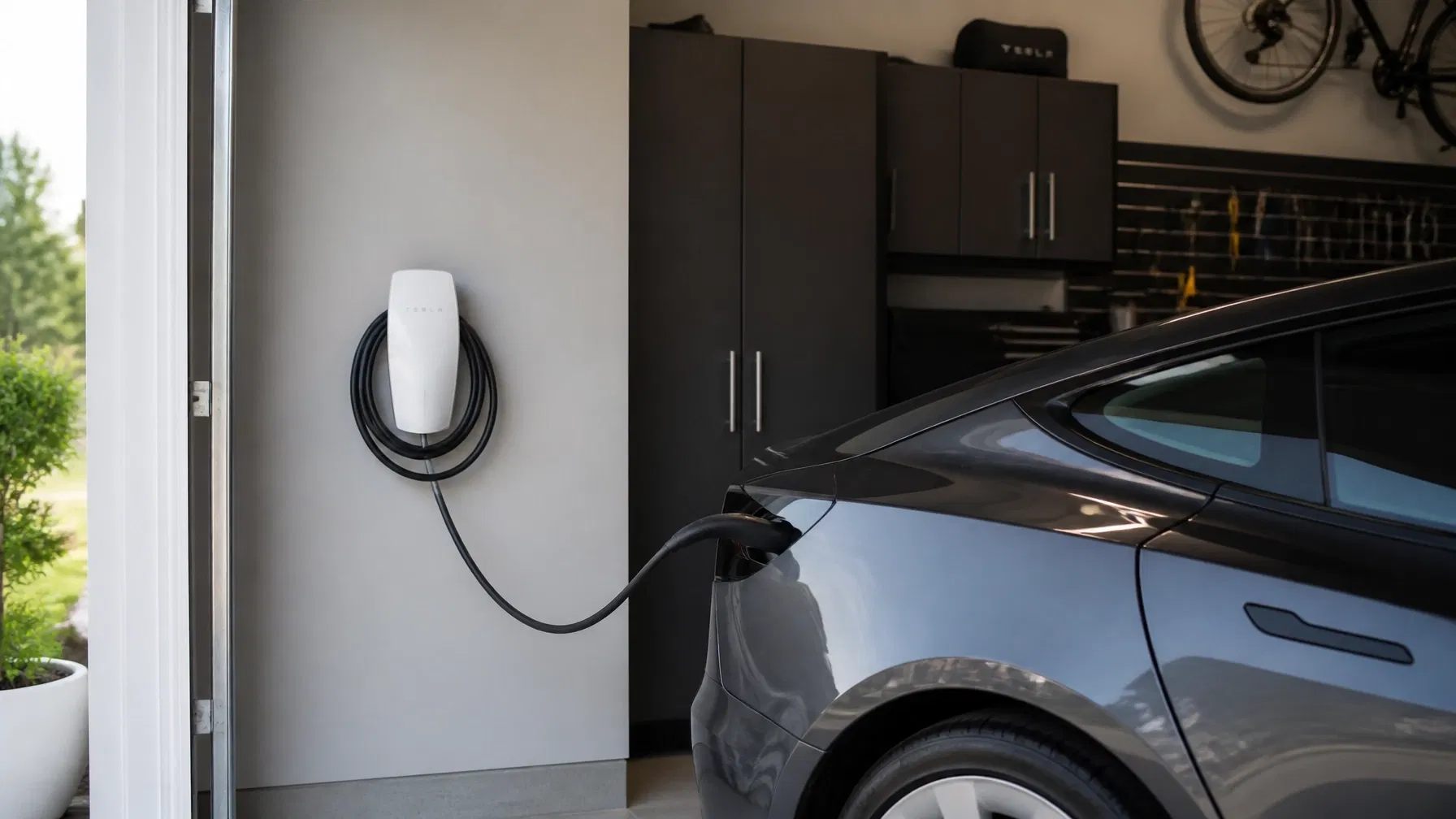
Planning for future equipment may affect charger selection, conduit size, panel placement, or load management. A hardwired EV charger is generally preferred over a plug-in connection when practical, particularly for higher-powered daily charging. A NEMA 14-50 outlet can be appropriate in some installations, but it must be installed with the correct receptacle, circuit, enclosure, and usage requirements.
Frequently Asked Questions
Do I need to find every appliance wattage sticker?
No. Gather as many clear photos as possible, but your electrician will verify important information during the site visit.
Can a 100-amp service support a Level 2 charger?
Sometimes, but it depends on the home’s calculated demand, existing equipment, charger output, and whether load management is practical. It cannot be determined from the service rating alone.
Does a gas appliance count in the load calculation?
Yes, but usually at a different electrical demand than an equivalent electric appliance. Gas equipment still uses electricity for controls, motors, ignition, and pumps.
Is a NEMA 14-50 outlet always the best option?
No. A hardwired charger is often preferred for higher-powered or permanent installations. The right choice depends on the vehicle, charger, location, expected charging current, and applicable code requirements. See our guide to Tesla Wall Connector versus NEMA 14-50 outlets.
Who should perform the load calculation?
Use a licensed electrician familiar with local permitting and inspection requirements. Homeowners in Fairfax, Loudoun, Prince William, and Fauquier counties can start with Auto Charge Pros’ Northern Virginia EV charger installation service.
Ready for a Safe EV Charger Installation?
Gather the nameplate photos, identify your service rating, and make a list of any future electrical projects. Auto Charge Pros will use that information to evaluate your home honestly, recommend the appropriate charging output, and explain whether a hardwired charger, NEMA 14-50 outlet, load management system, subpanel, or service upgrade makes sense.
Visit the Auto Charge Pros website to request an evaluation for your home in Ashburn, Leesburg, Aldie, Sterling, South Riding, Fairfax, Chantilly, Centreville, Gainesville, Haymarket, Manassas, Warrenton, and nearby Northern Virginia communities.