
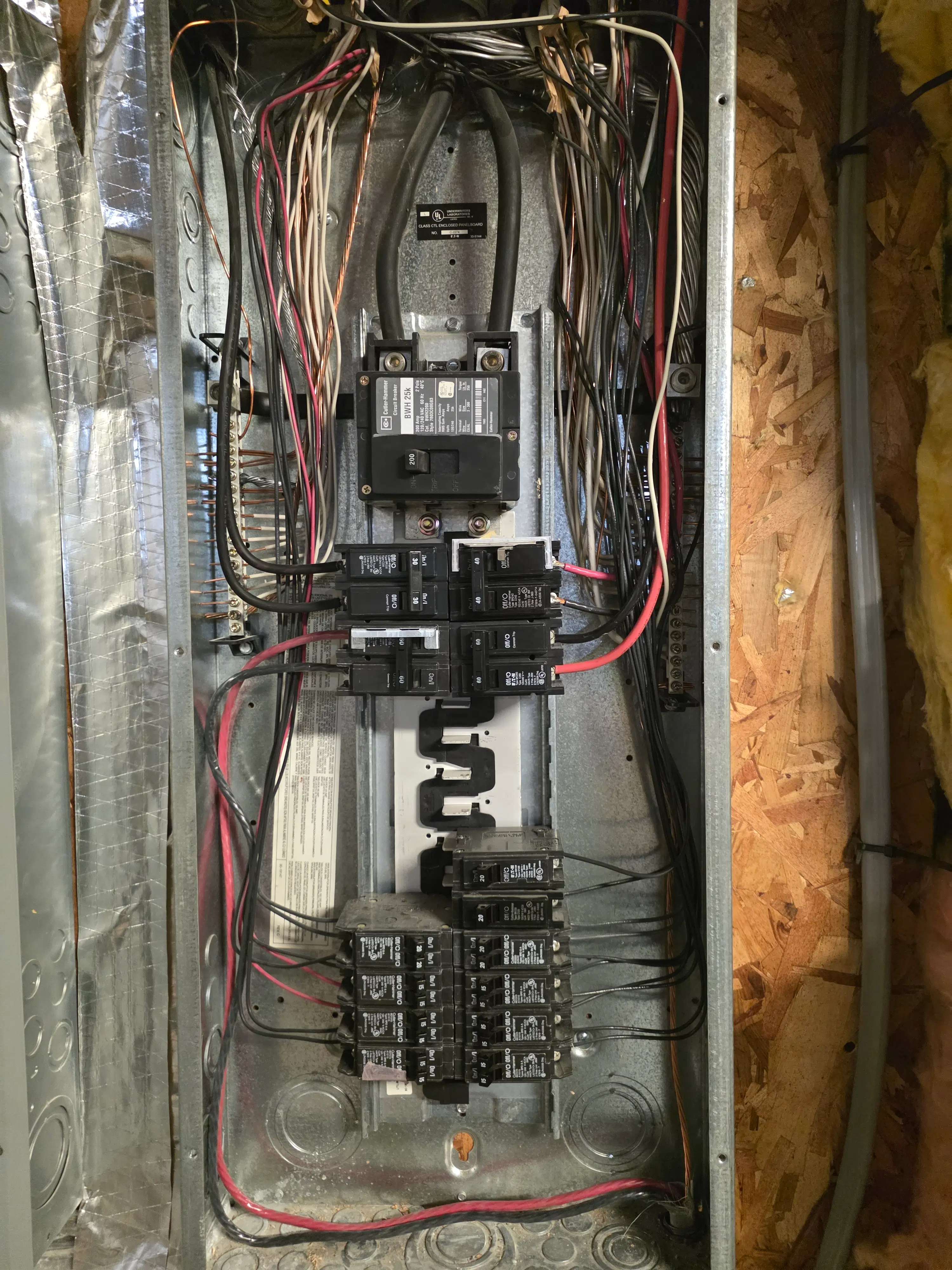
A NEMA 14-50 outlet is the workhorse of home EV charging. It is familiar, widely available, and compatible with many mobile charging connectors. However, the outlet is also where many plug-in EV charger installations go wrong.
A low-quality receptacle, loose termination, undersized wire, or incorrect breaker can create excessive heat during hours of charging. The result may be nuisance tripping, melted plastic, damaged equipment, or a serious electrical hazard.
For homeowners in Ashburn, Leesburg, Aldie, Sterling, South Riding, Fairfax, and surrounding Northern Virginia communities, safe installation starts with choosing the right equipment and having the circuit installed correctly from the panel to the outlet.
What Is a NEMA 14-50 Outlet?
A NEMA 14-50 is a 240-volt, 50-amp receptacle with:
- Two hot conductors
- One neutral conductor
- One equipment grounding conductor
- A rating suitable for large electrical loads
These outlets are commonly used for electric ranges, RV hookups, and EV charging equipment. Many portable EV chargers and mobile connectors are available with a NEMA 14-50 plug, making the receptacle a convenient option for homeowners who want a removable charging setup.
A 50-amp circuit does not mean the vehicle can safely charge continuously at 50 amps. EV charging is considered a continuous load. Under the National Electrical Code’s continuous-load requirements, a 50-amp circuit is generally limited to 40 amps of continuous charging.
That is why a plug-in Level 2 EV charger connected to a NEMA 14-50 outlet is typically configured for 32 or 40 amps.
Why the Outlet Matters During EV Charging
Charging an EV is different from plugging in a vacuum cleaner or power tool for a few minutes. A Level 2 charger may draw substantial current continuously for several hours every night.
When a connection is loose or a receptacle has poor internal contacts, electrical resistance increases. That resistance produces heat at the plug, terminal, or wire connection. The problem may remain hidden until the outlet is exposed to a sustained EV charging load.
A properly selected and installed receptacle helps provide:
- Secure contact pressure
- Better heat management
- Stronger terminal connections
- Improved durability during repeated use
- A safer connection for daily charging
The NEMA 14-50 outlet must be treated as part of the charging system, not as an inexpensive accessory.
Common NEMA 14-50 Installation Problems
1. Using a Cheap Residential-Grade Receptacle
Many standard NEMA 14-50 outlets are designed for ranges or occasional RV use. They may fit an EV charging plug, but that does not automatically make them appropriate for daily, high-amperage charging.
Lower-quality receptacles may have:
- Thin internal contacts
- Weaker terminal hardware
- Less resistance to repeated plugging and unplugging
- Poorer heat performance under continuous load
A commercial- or industrial-grade receptacle from a reputable manufacturer, such as a properly listed Hubbell or Bryant model, generally provides more robust construction. The exact receptacle must still be selected based on the application, enclosure, listing, and local electrical requirements.
2. Loose or Improperly Torqued Connections
A terminal can appear tight while still failing to meet the manufacturer’s required torque specification. Over time, vibration, thermal cycling, and repeated use can worsen the connection.
Every terminal should be tightened to the manufacturer’s published torque specifications using the correct method. This applies at the:
- Circuit breaker
- Receptacle terminals
- Grounding connections
- Any junction boxes or splices
Back-stabbed wiring is also inappropriate for a high-current EV charging circuit. The conductors should be secured using the receptacle’s approved screw terminals or another listed connection method.
3. Undersized or Incorrect Wire
The conductor size depends on the circuit rating, conductor material, insulation, installation method, ambient conditions, and local code requirements. A typical 50-amp EV charging circuit commonly uses 6 AWG copper conductors, but the complete installation must be evaluated by a qualified electrician.
The cable or conductors must also be installed correctly through the route. Long runs, conduit installations, attic spaces, and outdoor sections may affect the design.
4. Missing GFCI Protection
Current NEC provisions require GFCI protection for receptacles used to supply EV charging equipment. Garage and outdoor installations may have additional requirements based on the adopted code and local authority having jurisdiction.
For many NEMA 14-50 EV installations, this means using a properly sized two-pole GFCI breaker. GFCI protection helps reduce shock risk if current travels through an unintended path.
A licensed electrician should verify the applicable requirements in the local jurisdiction before installation. This is particularly important in Loudoun, Fairfax, Prince William, and Fauquier counties, where permit and inspection procedures can vary.
5. Installing the Wrong Breaker
A NEMA 14-50 EV circuit generally uses a two-pole 50-amp breaker when designed for up to 40 amps of continuous charging. The breaker must be compatible with the electrical panel and installed according to the manufacturer’s requirements.
The charger’s current setting must also match the circuit. Installing a 50-amp breaker does not make it safe to configure the charger for 50 amps continuously.
6. Sharing the Circuit With Other Loads
An EV charging receptacle should be installed on a dedicated branch circuit. It should not share the circuit with a garage receptacle, freezer, lighting circuit, workshop equipment, or other household loads.
A dedicated circuit keeps the load predictable and reduces the possibility of overloading the wiring or tripping the breaker.
What a Quality NEMA 14-50 Installation Includes
A professional NEMA 14-50 outlet installation should include more than mounting a receptacle on the wall.
Look for the following:
- A commercial- or industrial-grade receptacle suitable for the application
- A dedicated two-pole circuit
- Properly sized copper conductors
- GFCI protection where required
- A durable electrical box with adequate volume
- Correct strain relief and conductor routing
- Terminations torqued to manufacturer specifications
- A charger configured for the circuit’s safe continuous load
- Permit coordination and electrical inspection
- Testing of voltage, polarity, grounding, and GFCI operation
- Clean cable routing and finished workmanship
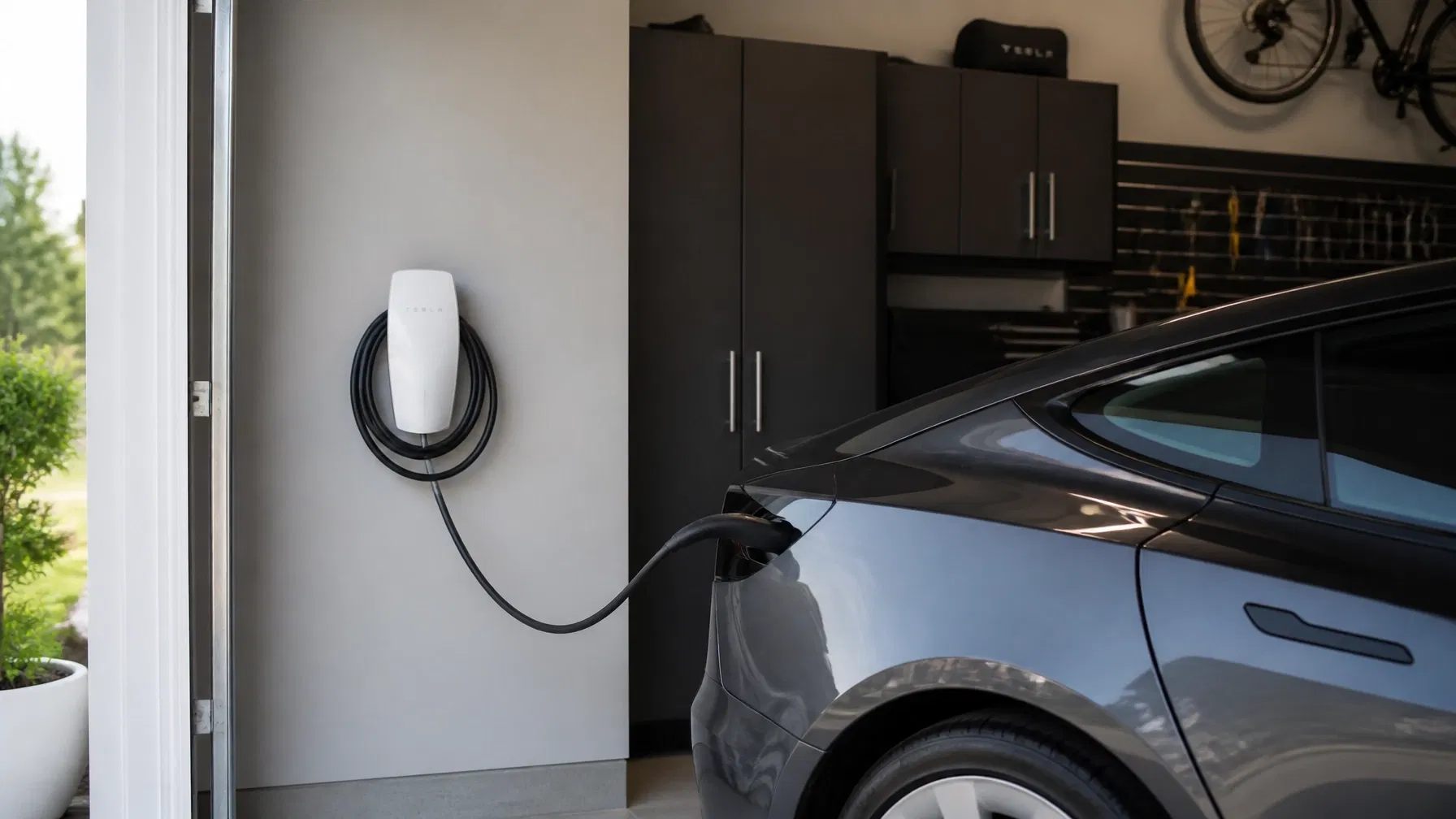
The Safe Way to Install a NEMA 14-50 Outlet
For a typical plug-in Level 2 charging setup, the process usually includes:
Evaluate the electrical panel.
The electrician checks available capacity, panel condition, breaker compatibility, and the proposed charging location.Complete a load calculation.
The home’s existing electrical demand is reviewed to determine whether the service can support the additional continuous load.Design a dedicated 50-amp circuit.
The circuit is routed from the panel to the garage, driveway, or other approved charging location using appropriately sized conductors.Install the correct breaker and protection.
The breaker and GFCI protection must match the equipment and the adopted code requirements.Mount the correct receptacle.
The NEMA 14-50 is secured in a properly sized box and installed at a practical height and location.Torque and test every connection.
Connections are tightened to specification, and the completed circuit is tested before the charger is used.Handle the permit and inspection.
A permitted installation provides an additional review of the work and supports future home records and resale documentation.
At Auto Charge Pros, we also plan the wire route carefully to avoid unnecessary drywall damage. If access cuts are required, we explain that before work begins and leave the area clean.
Plug-In Versus Hardwired EV Charging
A NEMA 14-50 outlet makes sense when portability is important. A homeowner may want to:
- Use a vehicle manufacturer’s mobile connector
- Remove the charger when moving
- Take the equipment on a trip
- Maintain compatibility with certain plug-in EVSE units
However, hardwired charging is often the better long-term choice for a permanent home EV charging station installation.
A hardwired charger eliminates the plug-and-receptacle connection, which is one of the system’s common heat and wear points. It can also support higher charging output when the electrical system and charger are designed for it.
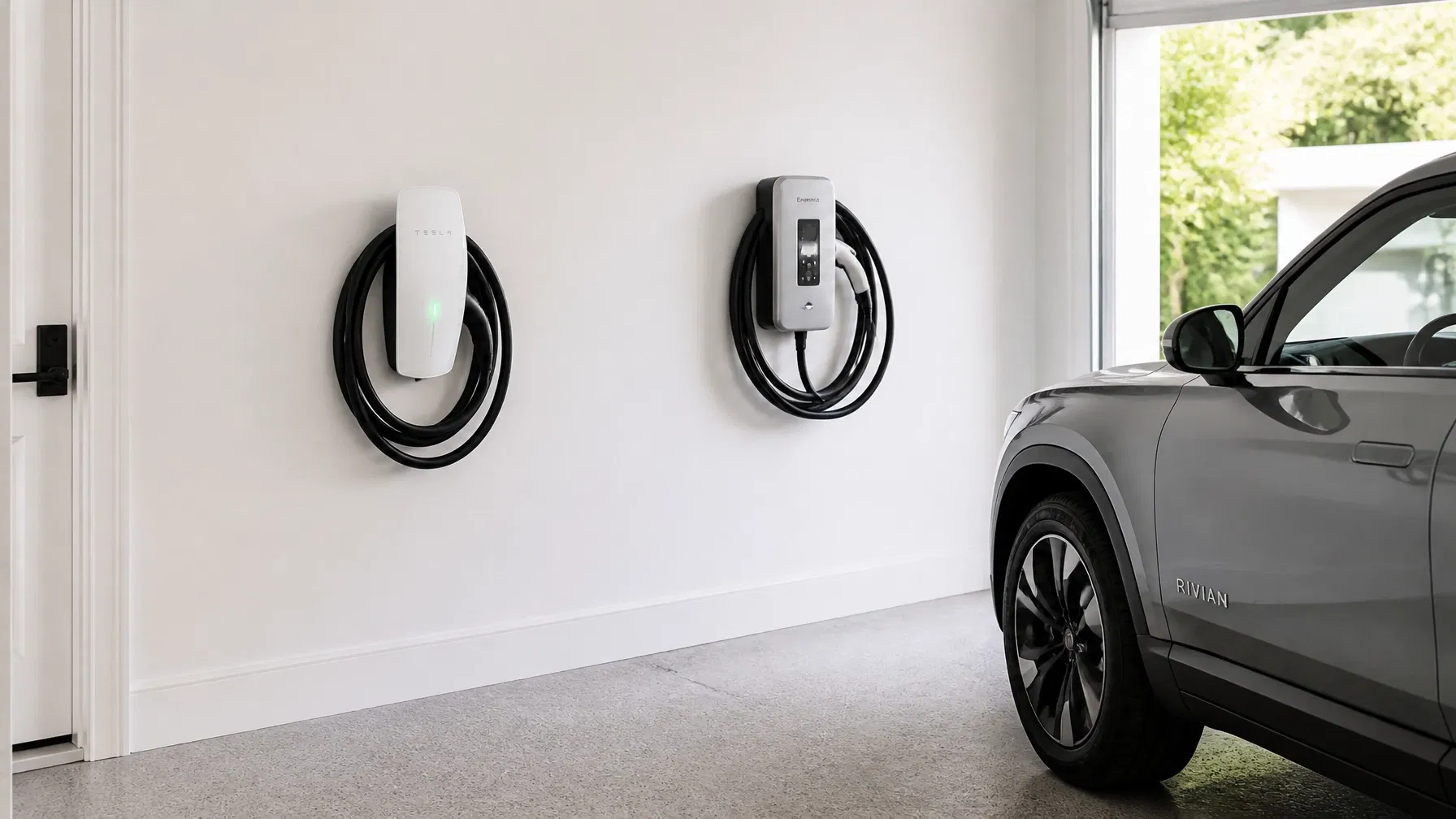
Auto Charge Pros generally recommends hardwired EV chargers over plug-in connections whenever practical, especially for higher-powered residential EV charging station installations. The best option depends on your vehicle, charger, panel capacity, parking location, and future plans.
You can also review our guide to the Tesla Wall Connector versus a NEMA 14-50 outlet.
NEMA 14-50 Outlet Maintenance
A NEMA 14-50 receptacle should not be ignored after installation. Periodically inspect the outlet and charging plug for:
- Discoloration
- Browning or melted plastic
- A burnt smell
- Cracked housing
- A plug that feels loose
- Unusual warmth after charging
- Breaker trips or charging interruptions
Stop using the outlet and have it inspected if you notice heat, damage, odor, or discoloration. Do not continue charging through a receptacle that appears damaged.
Electrical connections inside the box should only be tightened or repaired by a qualified electrician. Homeowners should not remove the receptacle cover while the circuit is energized.
How Much Does NEMA 14-50 Installation Cost?
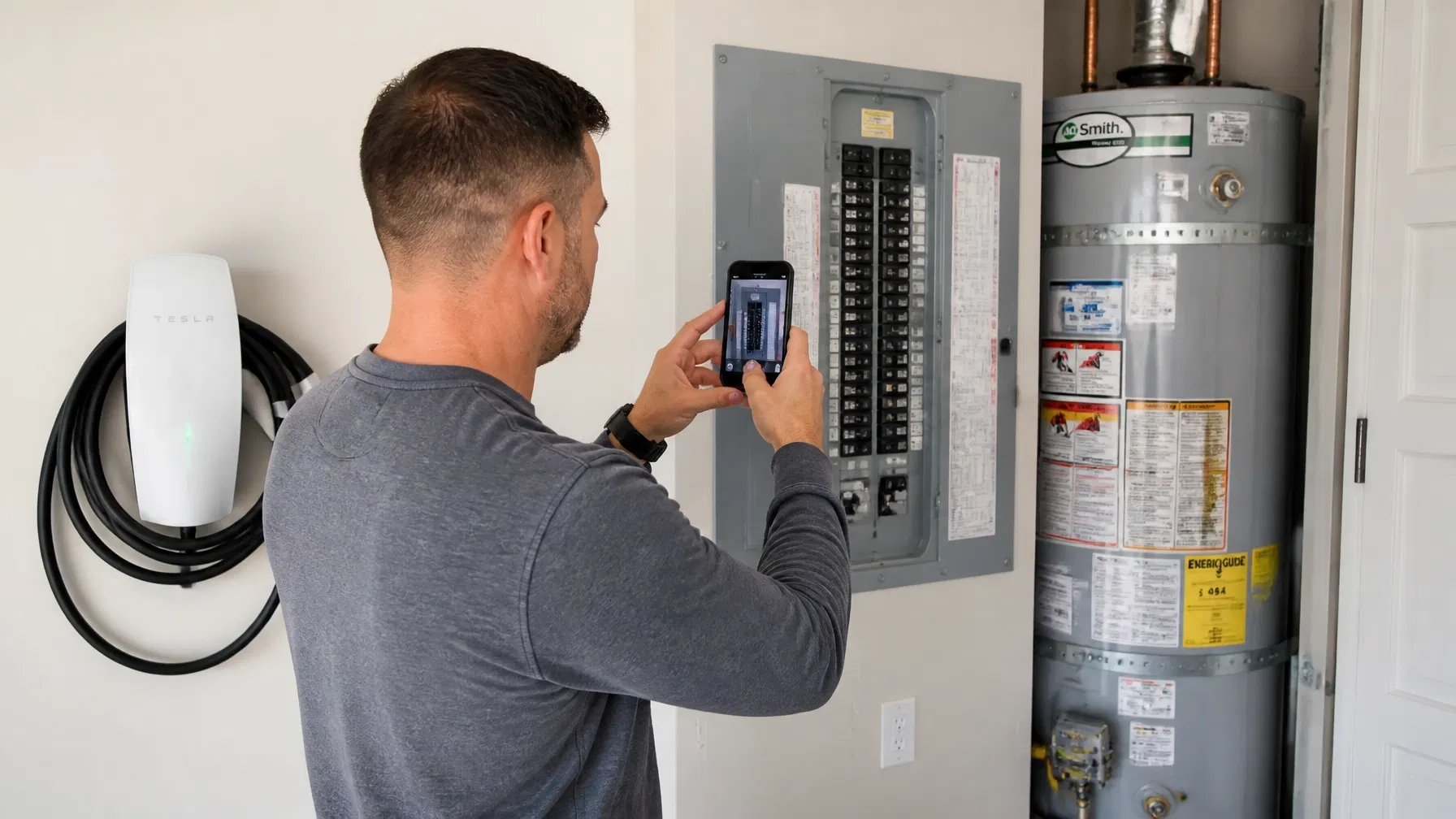
In Northern Virginia, a straightforward NEMA 14-50 installation may commonly fall in the approximate range of $900 to $1,800, depending on the distance from the panel, access, permit requirements, GFCI equipment, and finish work.
Additional costs may apply for:
- Panel repairs or upgrades
- Long wire runs
- Finished-wall access
- Exterior conduit
- Trenching to a detached garage
- Load management equipment
- Drywall patching or painting
Most accessible installations can often be completed in several hours, while complex routes or required upgrades may take longer. A site evaluation is the best way to receive an accurate proposal.
NEMA 14-50 EV Charging Safety FAQ
Is a NEMA 14-50 outlet safe for EV charging?
Yes, when the outlet is properly rated, installed on a dedicated circuit, protected as required, and used within its continuous-load limits. The quality of the receptacle and workmanship matters significantly.
Can I use an existing range or RV outlet?
Do not assume an existing outlet is suitable. It may be worn, incorrectly wired, lack GFCI protection, use an unsuitable breaker, or be located on a shared circuit. Have it inspected before connecting an EV charger.
Do I need 6 AWG copper wire?
Many 50-amp residential EV charging circuits use 6 AWG copper, but the correct conductor depends on the complete installation. A licensed electrician must verify ampacity, conductor type, distance, routing, and local requirements.
Is hardwired charging safer than a NEMA 14-50 outlet?
Hardwired charging removes the plug-and-receptacle interface and is often preferred for permanent or higher-powered installations. A properly installed NEMA 14-50 can still be a safe option for a charger configured within the circuit’s limits.
Can I install the outlet myself?
A NEMA 14-50 EV circuit involves a high-voltage, high-amperage continuous load. Permitting and inspection may also be required. Homeowners should use a licensed electrician familiar with EV charger installation in Northern Virginia.
Professional EV Charger Installation in Northern Virginia
Whether you live in Fairfax, Chantilly, Centreville, Gainesville, Haymarket, Manassas, or Warrenton, Auto Charge Pros can help you choose between a NEMA 14-50 outlet and a hardwired Level 2 charger.
Our family-owned team handles load calculations, equipment selection, permits, inspections, precise installation, and cleanup. We install charging systems for Tesla, Rivian, Ford, BMW, Hyundai, Kia, and other EV brands with an emphasis on long-term safety and clean workmanship.
If you are searching for a licensed electrician in Fairfax, VA or reliable EV charging station installers near me, visit our Northern Virginia EV charger installation service page or contact Auto Charge Pros to schedule an evaluation.